
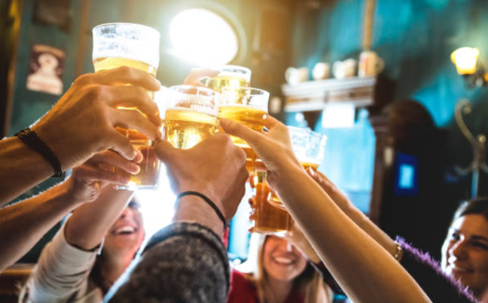
A Friday night on the Riverwalk, two cocktails at happy hour, and a short drive home can feel harmless until blue lights appear in your rearview mirror. Many Wilmington residents think of DUI as something that happens to “other people,” the ones who stumble out of bars or brag about how much they can drink. In reality, a large share of DUI arrests start with exactly the kind of social drinking that feels routine and low risk.
If you live, work, or go out in Wilmington, you know how easy it is to grab a drink after work downtown, have wine with dinner on Front Street, or meet friends at Wrightsville or Carolina Beach. You might plan to stick to “just a couple” and then drive a few miles home. That gap between what feels reasonable and what North Carolina law allows is where many good people find themselves in serious legal trouble after an ordinary night out.
At Whitley Coleman, PLLC, we see this play out every week in New Hanover, Brunswick, and Pender County courts. Our team includes a former prosecutor with nearly a decade of experience and service on a Police Advisory Commission, and we defend people facing DUI charges that started with social drinking. In this guide, we share what we have learned from both sides of the courtroom so you can enjoy Wilmington social drinking and dramatically reduce your chances of facing a DUI charge.
How Social Drinking Looks in Wilmington on a Typical Night Out
Social drinking in Wilmington often starts casually. Maybe you meet coworkers at a bar near the Riverwalk for happy hour, grab a seat on a brewery patio, or split a bottle of wine over dinner downtown. The atmosphere is relaxed, the music is playing, and no one is counting every ounce of alcohol in their glass. When someone mentions driving home to Ogden, Monkey Junction, or over the drawbridge to Wrightsville Beach, it rarely feels like a high-stakes decision in the moment.
On weekends, it is common to see groups hop between a couple of bars or restaurants, especially along Front Street or near the university. Each stop might only involve one drink, but the total adds up over several hours. At the beach, people often spend the day in the sun, then head to a bar or restaurant for drinks before driving home over the causeway toward Wilmington or down coastal roads toward Carolina Beach. Distances are short, which can create a false sense of security that “it is just a quick drive.”
Even low-key get-togethers can create risk. You might have friends over in a neighborhood off College Road or attend a backyard cookout where the cooler never seems to be empty. Guests often underestimate what they drink when they pour their own or alternate between beer, wine, and mixed drinks. Those are the same settings we hear about again and again when clients sit in our office and tell us how a normal evening ended with a traffic stop, field sobriety tests, and a ride to the station.
Understanding how familiar settings contribute to risk is the first step. Social drinking in Wilmington is woven into local culture, from after-work drinks to beach days. The law does not care whether your night felt “wild” or tame. What matters in the courtroom is how much you had to drink, how it affected you, and what officers observed when they pulled you over.
North Carolina DUI Law and BAC Limits in Plain Language
To make smart choices about driving after social drinking, you need a clear picture of how North Carolina defines impaired driving. For most adult drivers, it is illegal to operate a vehicle if your blood alcohol concentration is 0.08 or higher. That is the per se limit, which means that if a reliable test shows you at or above that number, the law allows the court to presume you were impaired, no matter how you felt at the time.
There are situations where the standards are stricter. Commercial drivers can face consequences at lower BAC levels when they are operating commercial vehicles, and drivers under 21 are subject to a much lower tolerance for alcohol. The key point for social drinkers is that the familiar 0.08 number does not give you much margin for error. Depending on your body and the strength of your drinks, you can reach it faster than you expect.
On top of the per se limit, officers and prosecutors can also pursue charges based on observed impairment. That means if you are under 0.08 but show signs of being appreciably impaired, such as slurred speech, difficulty standing, or serious driving errors, you can still face a DUI charge. The law does not require you to feel drunk or look obviously out of control. It focuses on whether alcohol has appreciably affected your ability to drive safely.
North Carolina implied consent rules also matter. By driving on public roads here, you are considered to have agreed to submit to certain chemical tests, such as breath or blood tests, if an officer has reasonable grounds to believe you are impaired. Refusing testing can trigger its own serious license consequences, separate from the underlying DUI case. Our former prosecutor experience at Whitley Coleman, PLLC means we have seen how these rules are applied at the roadside and in court, and we know that misunderstanding them can turn an inconvenient stop into a long-term problem.
When we explain DUI law to clients, many are surprised by how little it takes to cross the legal line. They often relied on how they felt behind the wheel or on rough rules of thumb that simply do not match the standards applied in New Hanover, Brunswick, and Pender County courtrooms. Knowing the real rules ahead of time gives you a better chance to avoid ending up in those courtrooms at all.
Why “I Only Had a Few Drinks” Still Leads to DUI Charges
One of the most common stories we hear from people charged with DUI in Wilmington starts with a line like, “I only had two or three drinks.” That may be true, but it does not always match how their body processed those drinks or how they appeared to the officer. Alcohol does not affect everyone the same way, and simple drink counts rarely tell the whole story about impairment or BAC.
Several factors influence how alcohol affects you. Body weight, sex, and body composition all play a role in how quickly your BAC rises. Drinking on an empty stomach causes alcohol to enter your bloodstream faster than if you drink with a full meal. The type and strength of the drinks matter too. A pint of a strong craft beer on a brewery patio, or a generous pour of liquor in a cocktail, can contain much more alcohol than a standard drink, even if it looks similar in size.
Environment also changes the picture. In Wilmington, many people spend time in the sun on the riverfront or at the beach before they drink. Heat, sun exposure, and dehydration can magnify the effects of alcohol. Fatigue after a long workweek or a day on the water can make you appear more impaired on field sobriety tests, even if you do not feel particularly drunk. Certain medications, including some prescribed drugs, can interact with alcohol and increase impairment.
Rules of thumb like “one drink per hour” sound comforting but are not reliable protection from a DUI charge. Depending on your size and circumstances, two strong cocktails over a couple of hours at a waterfront restaurant can put you near or above the per se limit. We have seen many cases where clients were genuinely shocked by their breath test results after what they considered modest social drinking. From our perspective at Whitley Coleman, PLLC, which includes reviewing these cases from both a prosecution and defense lens, this gap between perception and reality is one of the biggest drivers of DUI charges among social drinkers.
Recognizing that your internal gauge is imperfect and that a “few drinks” may be more than you think is critical. The law will measure you by your BAC and by how you performed on roadside tests, not by how confident you felt about driving. Planning with those realities in mind is far safer than trusting a casual headcount of beverages.
Where and How Wilmington DUI Stops Commonly Happen
DUI stops around Wilmington rarely start with an officer announcing that they are looking for impaired drivers. They usually begin with something smaller that gives law enforcement a lawful reason to pull you over. That might be a rolling stop at a sign downtown, drifting slightly within your lane on College Road, a burned-out taillight as you leave a beach parking lot, or speeding a few miles over the limit on the way home.
On weekend nights and around holidays, agencies often devote more attention to areas with heavy bar and restaurant traffic, such as downtown Wilmington, routes to and from Wrightsville and Carolina Beach, and roads near the university. Officers cannot ignore other calls, but they often keep a closer eye on drivers leaving known entertainment districts. They are trained to look for subtle indicators that suggest impairment, including late braking, inconsistent speeds, or delayed reactions to traffic signals.
Once you are stopped, the interaction can shift quickly from a routine traffic stop to a DUI investigation. Officers may ask where you are coming from and whether you have had anything to drink. How you speak, whether there is an odor of alcohol, and your movements as you provide your license can all influence their next steps. If they suspect impairment, they may ask you to step out and perform field sobriety tests, such as walking a straight line or standing on one leg, and may use a roadside breath test as well.
From our work in New Hanover, Brunswick, and Pender County courts, we have seen that many DUI cases start with minor, correctable issues that drew attention to a driver who had been socially drinking. Our former prosecutor’s perspective at Whitley Coleman, PLLC gives us insight into how officers are trained to interpret what they see and when they decide to escalate a stop. Knowing that even a short drive home from a downtown bar or a beach gathering can put you under that kind of scrutiny is one more reason to plan your transportation carefully.
Understanding where and how DUI stops typically occur is not about avoiding contact with law enforcement. It is about recognizing that once you are behind the wheel after drinking, many ordinary driving mistakes or equipment issues can open the door to a much deeper investigation. Reducing or eliminating the need to drive after drinking is the most reliable way to avoid that chain of events.
Real-World Consequences of a DUI for Social Drinkers
Because many social drinkers in Wilmington see themselves as responsible and law-abiding, they sometimes assume a first DUI will be a minor bump in the road. In practice, the consequences in North Carolina can be far more serious and long-lasting than people expect. A DUI case can affect your license, your finances, your job, and even your immigration status if you are not a U.S. citizen.
On the criminal side, North Carolina law sets out levels of punishment for DUI that can involve fines, court costs, probation, and, in some circumstances, jail time. The exact outcome depends on factors such as your BAC, whether there was an accident, and whether you have prior offenses. Many people also face license suspensions or restrictions that make it harder to get to work, school, or medical appointments. Even when limited driving privileges are available, they usually come with conditions and extra obligations.
There are also collateral consequences that do not show up on a sentencing chart. Insurance premiums typically increase significantly after a DUI conviction. Certain employers, especially those in transportation, healthcare, and positions that require background checks or professional licenses, may treat a DUI as a serious concern. For college students or recent graduates in Wilmington, that single arrest can complicate internship opportunities or entry into certain careers.
For non-citizens, including many people in the Wilmington area who are here for work or family reasons, DUI charges can intersect with immigration processes. The exact impact depends on status and history, and it often requires careful analysis. What we can say from our experience at Whitley Coleman, PLLC is that these cases should never be dismissed as “no big deal.” We have represented many first-time DUI defendants and have seen firsthand how one night of social drinking can ripple through someone’s life for years.
Understanding these potential consequences is not about scare tactics. It is about making an informed decision when you consider whether to drive after drinking. When you know what is at stake, the inconvenience of arranging a ride, paying for a rideshare, or leaving your car downtown overnight tends to look much smaller.
Practical Ways to Drink Socially and Avoid DUI in Wilmington
Knowing the risks and legal standards around DUI is only useful if you turn that knowledge into concrete plans. The good news is that a few deliberate choices before and during your night out in Wilmington can drastically lower your chances of being arrested for DUI, without requiring you to give up social drinking altogether.
One of the most effective strategies is also one of the simplest. Choose a true designated driver before the evening starts, and agree that this person will not drink at all. Rotating this role within a friend group can make it fair. The designated driver should not be the person who “only had a couple” or stopped an hour ago. Having a completely sober driver gives you much more margin for error than relying on people to guess whether they are under the legal limit.
Rideshare and taxi options in and around Wilmington give you additional flexibility. You can plan ahead by checking the availability of services to and from your favorite spots downtown or near the beach, and by setting a firm rule for yourself that once you have more than a minimal amount to drink, you will not drive. It often helps to budget for transportation at the start of the night so the cost does not feel like an unwelcome surprise when you are ready to leave.
Location choices also matter. If you know you want to drink freely, consider meeting friends somewhere within walking distance of home, or somewhere you can easily leave your car overnight and return safely the next day. If you do drive to a bar, restaurant, or gathering, plan a safe way to retrieve your car later that does not involve driving impaired. Resist the temptation to “just move the car a few blocks” or drive a short distance to beat the meter. From the perspective of law enforcement and the courts, a one-mile drive while impaired is treated the same as a longer one.
At Whitley Coleman, PLLC, we often see how small changes in planning would have kept our clients out of serious trouble. Building habits such as checking your transportation plan before you order the first drink, talking openly with friends about not letting each other drive impaired, and listening to the friend who says you should not drive can all make a real difference. These are not just abstract ideas. They come from patterns we see repeatedly when we look back through DUI case files with the benefit of hindsight.
What to Do If Your Night Out Still Leads to a DUI Charge
Even with the best intentions and careful planning, some people still find themselves facing a DUI charge after social drinking in Wilmington. If that happens to you, the most important thing is to take the situation seriously and act promptly. A DUI case is not something to handle casually or ignore until the last minute. The decisions you make in the days after your arrest can affect what options are available later.
Start by paying close attention to the paperwork you receive and any court dates listed. Missing a court appearance can make your situation significantly worse. Avoid discussing the details of your case on social media or with people who do not need to know. What you say publicly can be misunderstood or used against you. It is also wise to write down your own recollection of events as soon as you can, while your memory is fresh, including where you were, what you drank, how much you ate, and how the stop unfolded.
A DUI defense lawyer can examine the circumstances of your stop, the field sobriety tests, the breath or blood testing process, and the officer’s conduct for potential issues. In our practice, we look closely at every stage of the encounter, from the initial reason for the stop to the way instructions were given and how tests were administered. Timing matters because there are often deadlines related to your license and other rights. The earlier we can review your case, the more room there is to plan a strategy.
At Whitley Coleman, PLLC, significant DUI and criminal cases benefit from the combined work of both Jessica and John Coleman. John’s nearly ten years as a prosecutor and service on a Police Advisory Commission give us insight into how cases are built and how law enforcement and prosecutors think about them. We use that insight, along with our track record of securing dismissals and favorable outcomes in a range of criminal matters, to explore possible defense avenues in your case. We offer a free initial consultation so you can talk through what happened and understand your options before making big decisions.
Protect Your Social Life & Your Future After Drinking in Wilmington
Social drinking is part of life for many people in Wilmington, from evenings on the Riverwalk to weekends at the beach. When you understand how North Carolina DUI laws work, how quickly alcohol can affect you, and how local enforcement operates, you can enjoy that part of your life while dramatically reducing your risk. A few thoughtful choices about transportation and planning can protect your license, your career, and your record far more effectively than relying on guesswork at the end of the night.
If you or someone you care about is already facing a DUI charge after social drinking in Wilmington or elsewhere in New Hanover, Brunswick, or Pender County, you do not have to navigate the process alone. Our team at Whitley Coleman, PLLC draws on former prosecution experience and a collaborative defense approach to review the stop, evaluate the evidence, and work with you on a plan that protects your future as much as possible.